

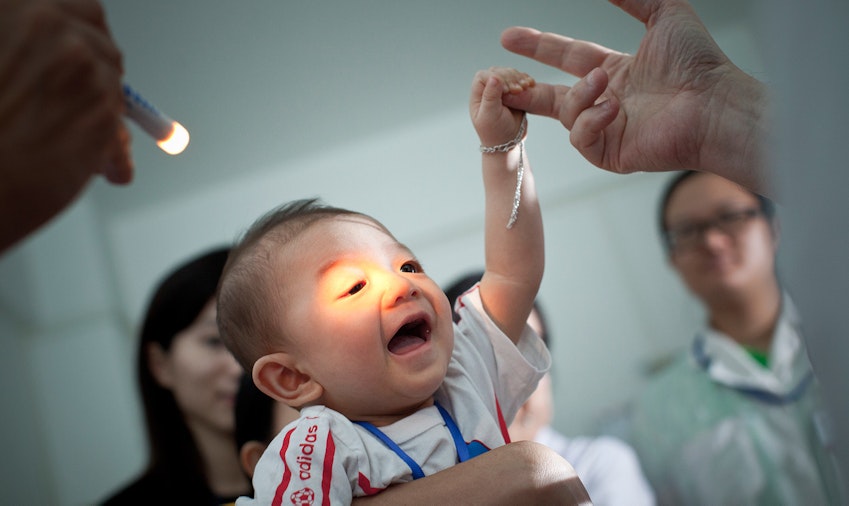
It is estimated that 7.3% of babies are born prematurely per year in Peru, which has meant Retinopathy of Prematurity (ROP) has become the leading cause of childhood blindness. It causes abnormal blood vessels to grow in the retina causing the retina to detach from the back of the eye, leading to blindness.

Peru
In Peru, around 950k people are visually impaired and another 145,000 are blind. There is a critical need to tackle some of the more complicated and less understood causes of eye disease in the region such as Retinopathy of Prematurity (ROP) in premature babies and Diabetic Retinopathy (DR).

1.1 Million
Peruvians are blind or visually impaired

4.5%
of adults are at risk of developing diabetic retinopathy

32,000
infants born prematurely in 2021
Retinopathy of Prematurity
Diabetic Retinopthy
With approximately 5.2% of adults suffering from diabetes and diagnosis rates as low as 50% in some regions, Diabetic Retinopathy (DR) poses a huge risk. Everyone with diabetes is at risk of developing DR as excessive blood sugar levels can cause irreversible damage to the to the vessels in the retina - which is why early detection and intervention is crucial in preventing blindness.
Success in Peru
The Flying Eye Hospital first landed in Peru in 1982 and since then our projects have grown to deal with cataracts, pediatric ophthalmology, Retinopathy of Prematurity (ROP) and Diabetic Retinopathy.
From 2007 to 2016 we spearheaded two projects in 36 hospitals across Peru that focused on the dire situation surrounding ROP. At the outset of the program, most hospitals had close to zero resources to address ROP, and local staff had very little understanding of the issue.
Thanks to your support we have helped train 636 pediatricians and neonatologists, 93 residents and interns, 21 biomedical engineers and more than 1,000 registered nurses and technicians in sight saving oxygen therapy for premature babies. Over 2,000 babies were examined to detect ROP, treating up to 556 with Laser techniques. An additional 66 ophthalmologists were trained in detection and treatment, and more than 3,500 parents, mainly mothers, were educated on the disease and its follow up.
In 2022 Alone, We Delivered:

96
Trainings completed by eye health professionals

2,800
Community eye screenings & examinations
430
Eye glasses prescribed.

Fighting avoidable blindness in Peru
We worked alongside our partner, Instituto Damos Visión, to create an ROP referral network across Peru and a digital database to collect data on the prevalence and treatment of ROP in the northern and central regions. This evidence is used to advocate for change and suggest improvements to ROP protocols.
From 2014 to 2017, we worked with the Regional Institute of Ophthalmology (IRO) to improve screening, referrals and treatment for diabetic retinopathy for people with diabetes - specifically lower income patients enrolled in the public health insurance. We trained professionals right cross the health system to ensure patients received the care they needed early enough for treatment to be successful.
What We're Doing Next
Since 2015 we’ve been piloting a telemedicine program with the Regional Institute of Ophthalmology to train residents in cutting edge techniques.
We are continuing our work with the Instituto Damos Visión to reduce blindness and visual impairment in premature babies in two regions of Peru - Lima and La Libertad. Together, we have worked relentlessly for a decade to make this disease a priority for health institutions and more work is needed to ensure sustainability.
Partners
- Instituto Damos Visión
- Regional Institute of Ophthalmology (IRO)
HELP US ELIMINATE AVOIDABLE BLINDNESS IN PERU
DONATE